The Hidden Cost of BNPL: What 'Buy Now Pay Later' Apps Don't Tell You
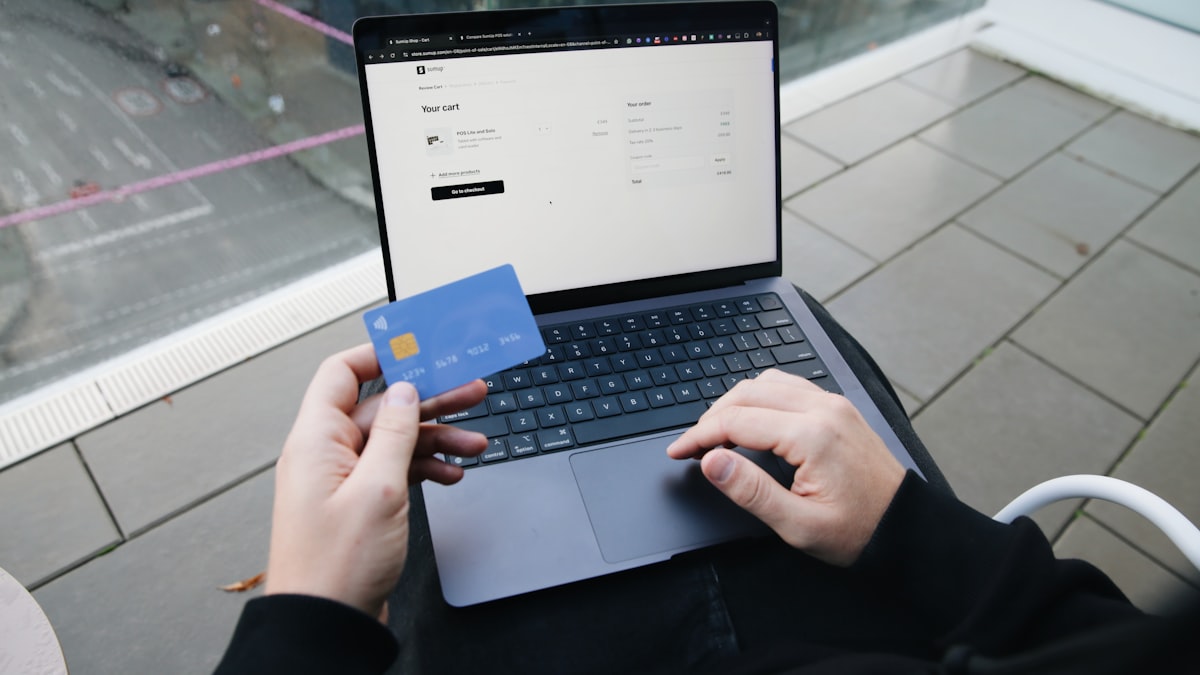
Buy Now Pay Later (BNPL) is marketed as “interest-free” and frictionless: split a purchase into a few payments, or pay at the end of the month, with no card needed. For a specific kind of buyer, it genuinely works. For most people, it quietly turns single small purchases into a recurring bill you stop tracking, which is exactly why it belongs in a conversation about money leaks.
How BNPL apps actually make money
If a product is free to use and marketed as interest-free, the revenue has to come from somewhere. In India, BNPL providers make money through a mix of:
- Merchant fees: the store pays the BNPL provider 2-6% of the transaction value for offering it at checkout, similar to a card network fee. This cost is usually baked into prices, so everyone pays for it slightly, even non-BNPL users.
- Late fees and penal charges: this is where the real cost shows up for users. Missed payment windows on apps like Simpl or LazyPay can trigger flat late fees (commonly ₹200-500 per missed cycle) plus additional interest that compounds if unpaid.
- Interest on longer tenures: the “pay in 4” style short splits are usually genuinely interest-free, but converting a purchase into a 3, 6, or 12-month EMI (which most BNPL apps now offer at checkout) carries real interest, often in the 13-28% APR range depending on the provider and your credit profile, comparable to or worse than a credit card.
The specific ways BNPL becomes a leak
It removes the “does this hurt to pay for” friction. Behavioral economics research on payment friction consistently shows that the less a payment method feels like spending money, the more you spend. BNPL is explicitly designed to reduce that friction: “pay ₹399 today, rest later” feels smaller than “pay ₹1,596 now,” even though it’s the same purchase.
Multiple small BNPL balances stack into a real monthly bill. One ₹1,500 purchase split over 4 installments doesn’t feel like debt. Five of those running simultaneously across different apps and merchants absolutely is, and because each is small, most people never add them up in one place.
It can affect your credit score more than people expect. Several major BNPL providers in India now report to credit bureaus (CIBIL, Experian). Missed payments show up as delinquencies just like a credit card default would, and a high number of open BNPL accounts, even if paid on time, can be read by lenders as a signal of credit dependence, potentially affecting your eligibility for a home or auto loan later.
A quick self-audit
Open each of these apps right now and check for “active plans” or “upcoming payments”; most people are surprised by the count: Simpl, LazyPay, Amazon Pay Later, Flipkart Pay Later, ZestMoney (where still active), Slice, and any “EMI at checkout” option offered directly by your bank or card.
Add up every active balance across all of them. If the total is a number you couldn’t comfortably pay off today in one shot, that’s real debt, structured to not feel like it.
List every BNPL plan and subscription in one place to see your true monthly commitment.
Affiliate link — we may earn a commission at no extra cost to you.
How to use BNPL without it becoming a leak
- Treat it as a payment method, not free money: only use it for purchases you’d have paid for in full anyway.
- Never run more than one active BNPL plan at a time: if you’re opening a second one to cover the first, that’s a debt spiral starting, not a budgeting tool.
- Set a calendar reminder for every due date: don’t rely on the app’s push notification, which is easy to dismiss and miss.
- Avoid converting purchases to multi-month EMI through these apps unless you’ve compared the actual APR to a credit card or personal loan. It’s frequently worse, not better.
FAQ
Is BNPL always bad? No, short “pay in 4, no interest” plans, paid on time, for a purchase you’d have made anyway, cost you nothing extra. The risk is in longer EMI conversions, stacking multiple plans, and missed payments.
Does using BNPL responsibly help my credit score? It can, for providers that report on-time payments to bureaus, similar to how responsible credit card use helps. But the upside is smaller than the downside risk of a missed payment, so it shouldn’t be your primary credit-building strategy.
How do I close a BNPL account I no longer use? Clear any outstanding balance first, then look for “close account” or “deactivate” in the app’s settings. Most require you to raise a support request rather than offering a one-tap close, so budget a few days for it to process.
Related posts
The Checkout Insurance Add-Ons You Keep Clicking Past: Are They Worth It?
Travel insurance on IRCTC, extended warranties on Amazon and Flipkart, EMI protection at checkout: what these small add-ons cover, and when to skip them.

Baby Clothes: Why Buying Ahead Rarely Saves Money
Why stocking up on baby clothes in advance during a sale usually costs more than buying as your baby grows, and when buying ahead actually works.

Ganesh Chaturthi to Diwali 2026: A Month-by-Month Guide to Every Sale Trap Coming Your Way
A month-by-month guide to the sale traps Indian shoppers face from Ganesh Chaturthi through Diwali, and how to actually save money in that window.